A walk in the woods is one of the easiest ways to enjoy nature, but forests can surprise even experienced hikers. Trails can be confusing, weather can change quickly and phone signal often disappears. A little preparation turns a risky outing into a safe and enjoyable day.
Here are twelve practical tips every beginner should know before heading into the forest.

Before You Leave Home
1. Choose the Right Trail
Start with a short, well-marked trail that matches your fitness level. Read trail descriptions for distance, elevation gain and expected time, and pick something you can finish comfortably before dark.
2. Check the Weather
Look at the forecast for the area, not just your home town. Avoid hiking in storms, strong winds or extreme heat. Wind can bring down branches, and heavy rain can make paths slippery and streams dangerous.
3. Tell Someone Your Plan
Let a friend or family member know where you are going, which trail you will take and when you expect to return. If something goes wrong, this information helps rescuers find you quickly.
What to Bring
4. Pack the Essentials
- Plenty of drinking water
- Snacks with energy, such as nuts or fruit
- A map of the area and a charged phone
- A small first-aid kit
- A light rain jacket or extra layer
- A torch or headlamp, even on day hikes
- Sun protection and insect repellent
5. Wear Proper Footwear
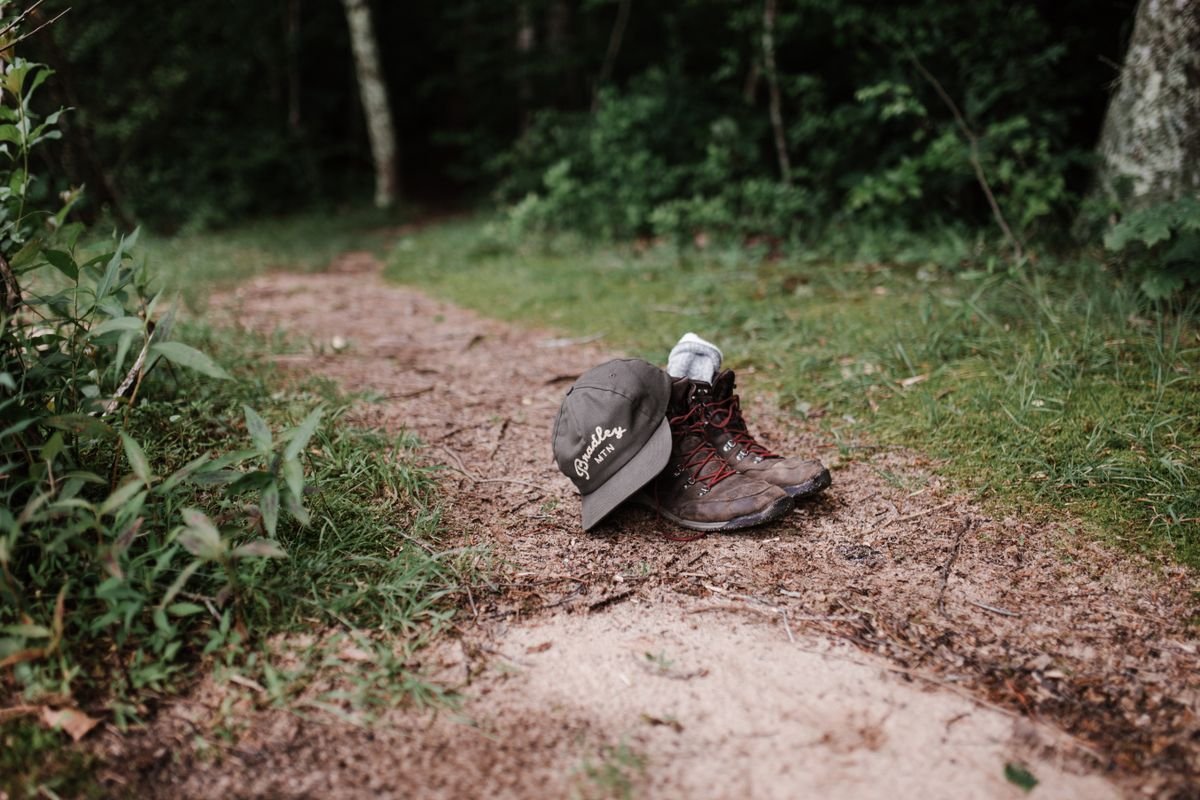
Comfortable boots or trail shoes with good grip protect your ankles and stop slips on roots, rocks and mud. Break in new boots before a long walk to avoid blisters.
6. Download an Offline Map
Many forests have little or no mobile signal. Download the trail map to your phone before you leave, and carry a paper copy as a backup.
On the Trail
7. Stay on Marked Paths
Trail markers, signs and painted blazes are there to guide you. Leaving the path increases the chance of getting lost and damages plants and soil.
8. Watch Your Time
Set a turnaround time and stick to it. Remember that the walk back may take just as long as the walk out, and light fades quickly under a thick canopy.
9. Keep a Safe Distance from Wildlife
Enjoy animals from afar and never feed them. Learn which animals live in the area and how to react if you meet one. Make some noise in areas where large animals live so you do not surprise them.
10. Be Careful with Plants
Some plants can cause rashes or are poisonous if eaten. Avoid touching unfamiliar plants and never eat wild berries or mushrooms unless an expert has confirmed they are safe.
If Something Goes Wrong
11. Stop If You Get Lost
If you are unsure where you are, stop, stay calm and think. Retrace your steps to the last marker you remember. If you cannot find the trail, stay where you are and call for help if you have signal; it is easier for rescuers to find someone who stays put.
12. Leave No Trace
Take all your rubbish home, leave flowers and stones where you found them and respect other walkers. Protecting the forest means it stays beautiful for the next visitor.
Final Thoughts
Forest hiking is a wonderful hobby that gets easier with every trip. Start small, prepare well and build confidence over time. With the right plan and equipment, the woods become a place of adventure rather than worry.