
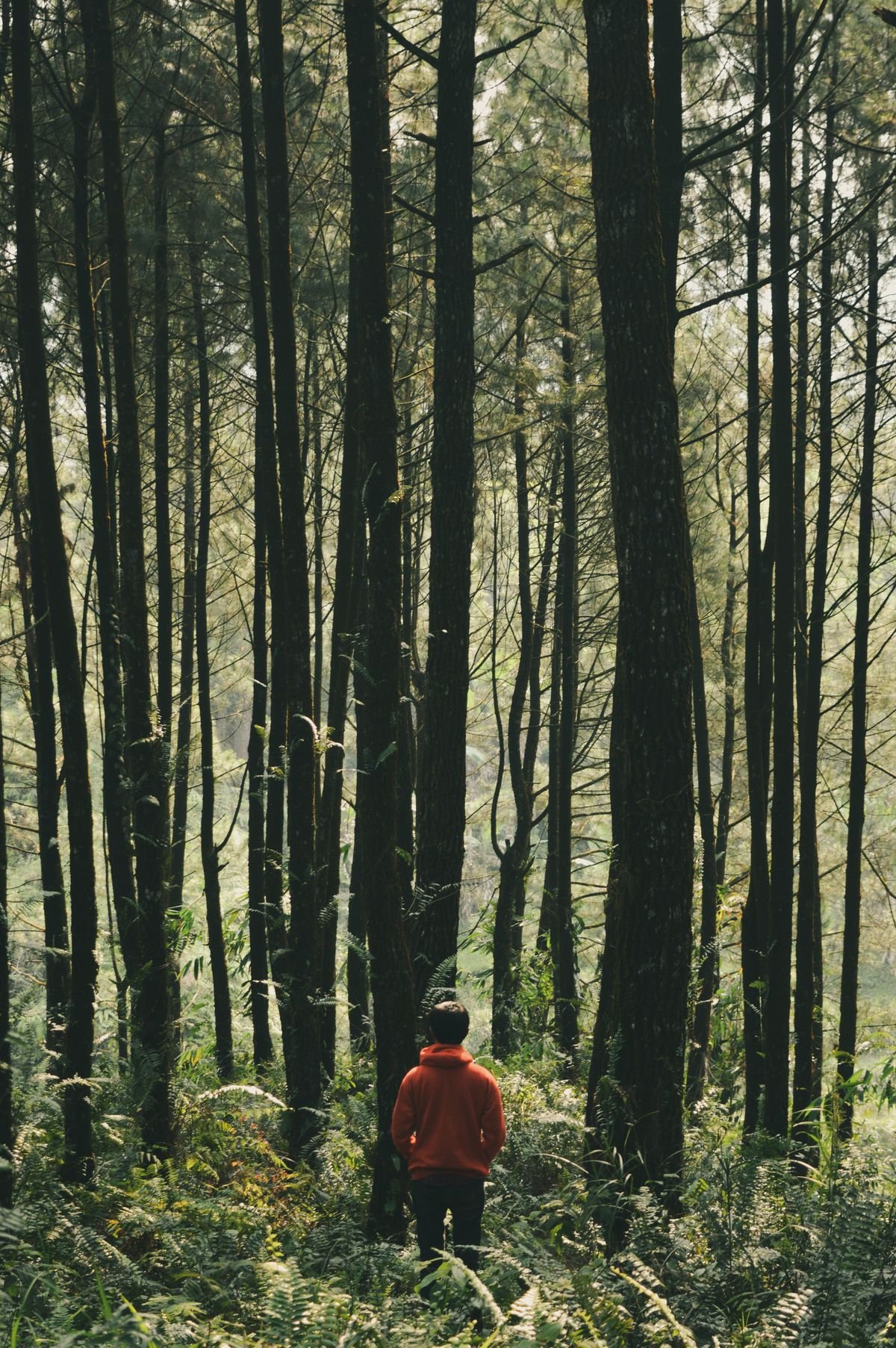
Forest bathing has nothing to do with water. It is the simple practice of spending slow, mindful time among trees and letting your senses take in the forest around you. The idea became popular in Japan in the 1980s under the name shinrin-yoku, which roughly means taking in the forest atmosphere.
Today people all over the world use forest bathing as a way to relax, unplug from screens and reconnect with nature. You do not need special equipment or fitness, only a patch of woodland and a little time.
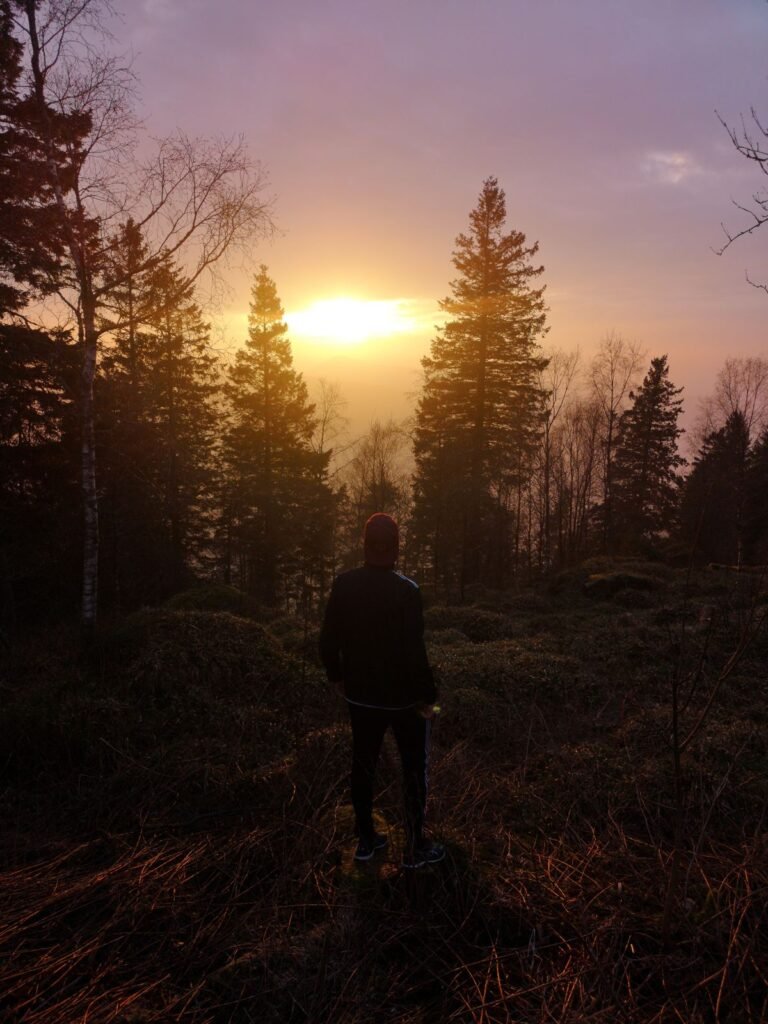
Where Did Forest Bathing Come From?
In the 1980s, Japan’s forestry agency encouraged people to visit forests as a way to improve wellbeing and reduce stress from busy city life. Researchers in Japan and elsewhere then began studying how time in forests affects the body and mind. Since then, forest therapy trails and guided walks have appeared in many countries.
What the Research Suggests
Studies on forest bathing are still growing, but many have reported positive effects after time spent in green, wooded areas. Common findings include:
- Lower feelings of stress and anxiety
- Improved mood and a sense of calm
- Lower heart rate and blood pressure in some participants
- Better focus after time away from screens
Some researchers have also looked at natural compounds released by trees, called phytoncides, and how they might affect the body. Forest bathing is not a replacement for medical care, but it can be a healthy habit alongside it.
How to Practise Forest Bathing
The key is to slow down. This is not a hike with a goal; it is about noticing. Try these steps on your next visit:
- Leave your phone on silent or put it away completely
- Walk slowly and without a fixed destination
- Stop often and take a few deep breaths
- Listen for birds, wind in the leaves and running water
- Touch the bark of a tree or the moss on a rock
- Notice the smell of soil, pine needles or rain
- Sit somewhere comfortable for ten minutes and simply watch
How Long Should You Stay?
Even a short visit can help. Many guided sessions last around two hours, but twenty or thirty minutes in a quiet wood can still leave you feeling refreshed. Regular visits, even weekly, may bring more benefit than one long trip each year.
Choosing the Right Place
You do not need a remote wilderness. A city park with mature trees, a riverside path or a small local woodland can all work. Look for a place that feels safe, is fairly quiet and lets you move at your own pace. Early morning and late afternoon are often the most peaceful times.
Tips for Beginners
- Wear comfortable shoes and clothes suited to the weather
- Bring water and let someone know where you are going
- Go alone for quiet reflection, or with a friend who is happy to stay silent
- Try a guided forest therapy walk if one is available near you
- Leave no trace and respect wildlife
Final Thoughts
Forest bathing reminds us that nature does not have to be a challenge or an adventure. Sometimes the best thing we can do is stand still among the trees and breathe. Give it a try this week and see how you feel afterwards.