Few trees have inspired as many stories, symbols and legends as the oak. It appears in folklore, on coats of arms and in countless sayings about strength and patience. But beyond its cultural importance, the oak is also one of the most valuable trees for wildlife.
Here is why the oak is often called a keystone of the forest.
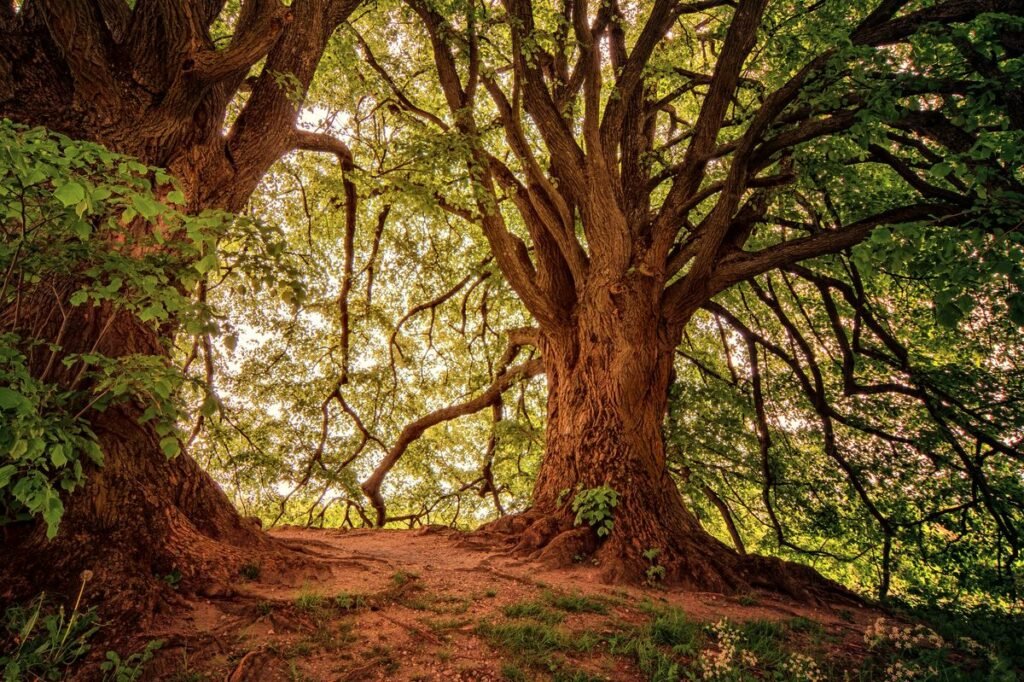
Meet the Oak
Oaks belong to the genus Quercus, which includes hundreds of species found across Europe, Asia, North Africa and the Americas. Some are tall forest giants, others are small shrubs. Most are easy to recognise by their acorns, the nut-like fruits that sit in a small cup.
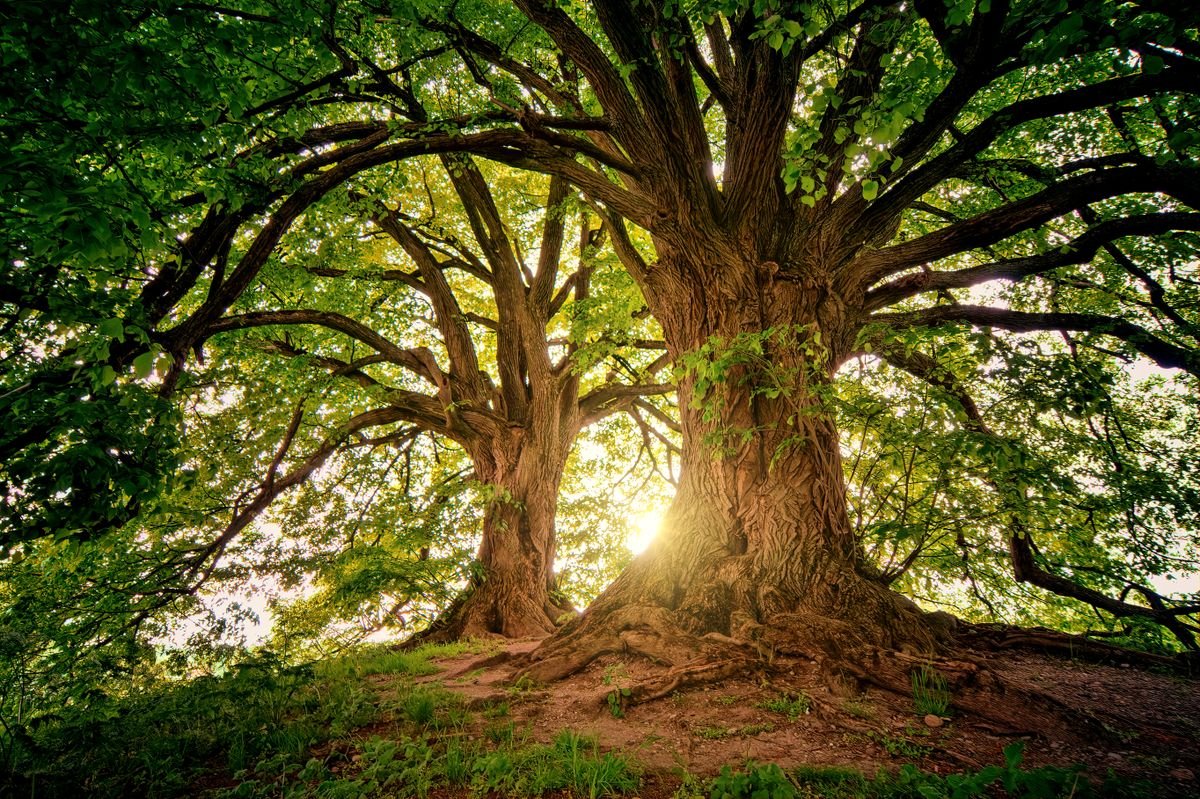
Many oaks grow slowly and can live for several hundred years. Some famous oak trees are believed to be even older.
A Home for Thousands of Species
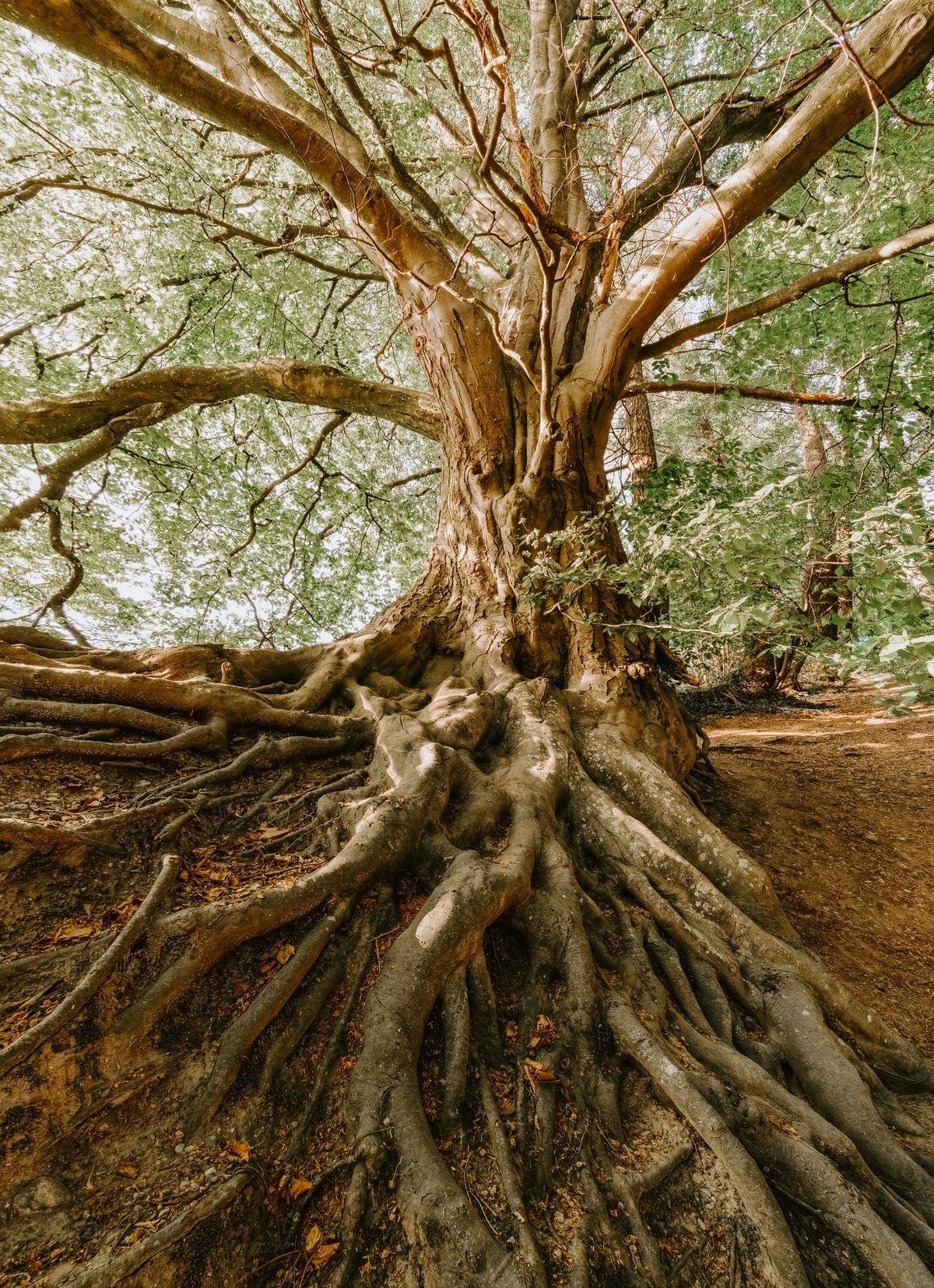
Oaks support an enormous variety of life. Insects feed on their leaves, birds feed on those insects and nest in the branches, and bats roost in cracks and hollows. Mosses and lichens cover the bark, and fungi grow among the roots.
In Britain, for example, native oaks are known to support far more species than most other trees. A single mature oak can be a whole ecosystem in itself.
The Importance of Acorns
Acorns are a key food source for many animals, including jays, squirrels, deer, wild boar and mice. Jays and squirrels also bury acorns to eat later, and the ones they forget can sprout into new trees. In this way, animals help oaks spread across the landscape.
Oaks do not produce the same number of acorns every year. Some years bring a huge crop, known as a mast year, followed by years with far fewer. Scientists think this pattern helps ensure that some acorns survive to grow.
Oaks in Legend and Culture
Across many cultures the oak has been linked with strength, endurance and wisdom. It was sacred in several ancient European traditions and has long been a national symbol in countries such as England and Germany. Old oaks were often used as meeting places, boundary markers and landmarks.
Threats to Oak Trees
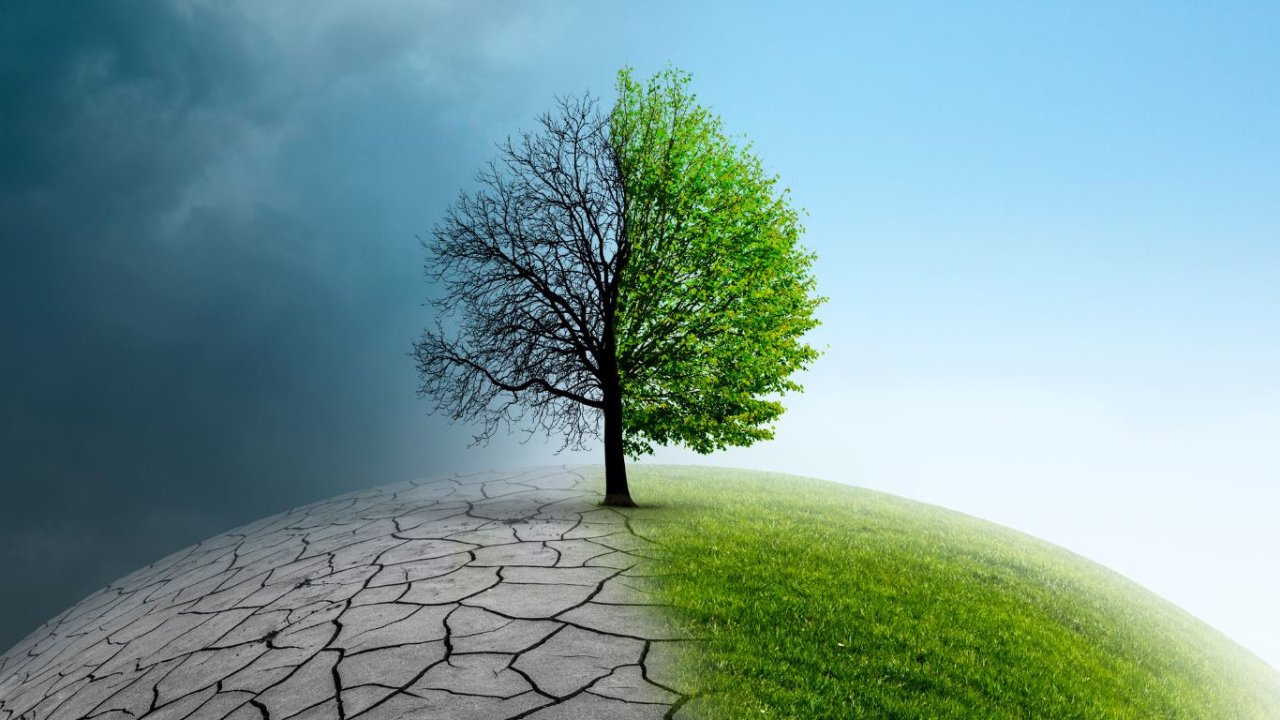
Like many trees, oaks face modern challenges. Diseases, pests, drought and loss of old woodland all put pressure on oak populations. Young oaks also need enough light to grow, so heavy shade or grazing animals can stop new trees from becoming established.
How to Help Oaks
- Protect old and veteran oaks wherever they grow
- Plant native oak species suited to your local area
- Leave fallen wood and leaf litter around oaks for wildlife
- Avoid damaging roots by keeping heavy vehicles away
- Support woodland conservation groups
Final Thoughts
The oak is more than a symbol of strength. It is a living home for thousands of creatures and a cornerstone of healthy woodland. Next time you pass an old oak, take a moment to look closely; you may be surprised by how much life it supports.