Deer are among the most familiar forest animals in Europe. Spotting one between the trees at dawn is a highlight of any woodland walk. Three species are especially common in European forests: the red deer, the roe deer and the fallow deer. Each has its own size, look and behaviour.
This guide explains how to tell them apart, where they live and why they matter to the health of the forest.
Red Deer
The red deer is the largest of the three and one of the biggest deer species in the world. Adult males, called stags, grow large branching antlers that they shed and regrow every year. In autumn, stags roar loudly and compete for females during the breeding season, known as the rut.
Red deer have a reddish-brown coat in summer that turns greyer in winter. They live in herds and are found in forests, moorland and mountain areas across much of Europe.
Roe Deer
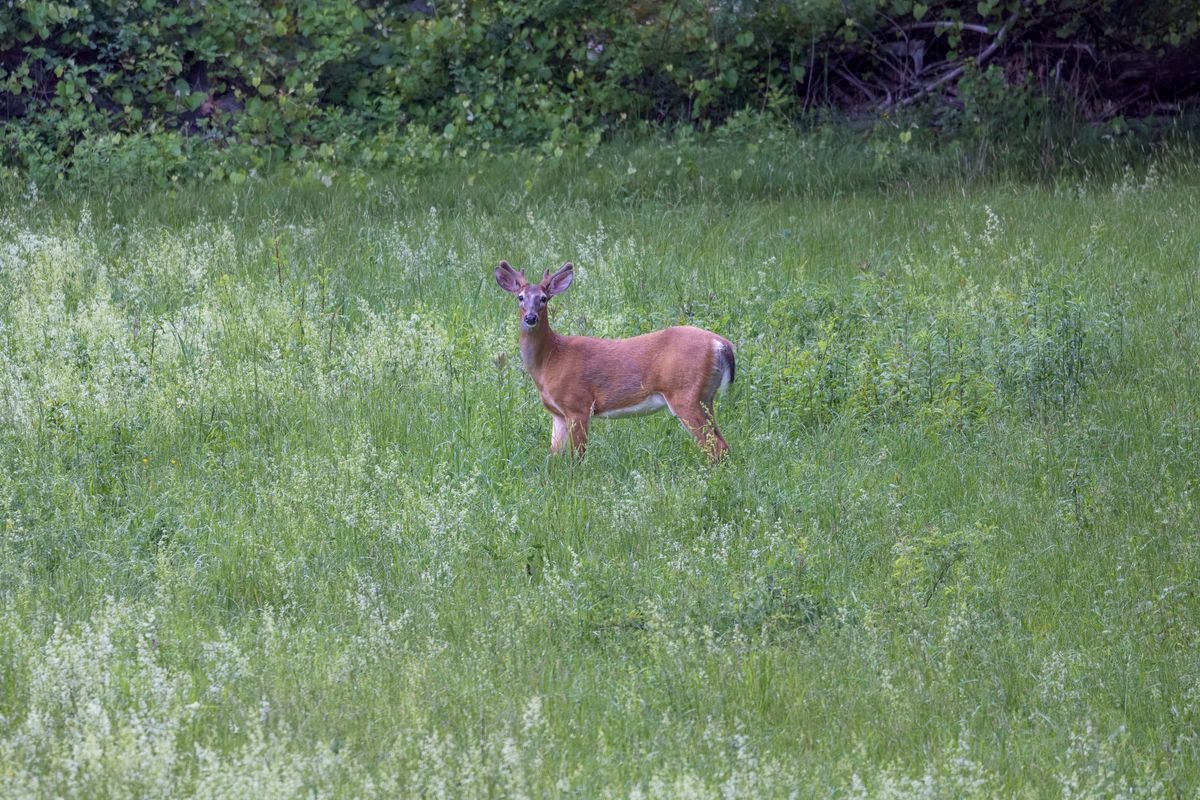
The roe deer is small and graceful, with a reddish summer coat and a greyish-brown winter coat. Males have short antlers, usually with no more than three points on each side. Roe deer often live alone or in small family groups rather than large herds.
They are shy and quick, and they like the edges of woodland where trees meet fields. If you hear a short, sharp bark in the forest, it may be a roe deer warning others of danger.
Fallow Deer
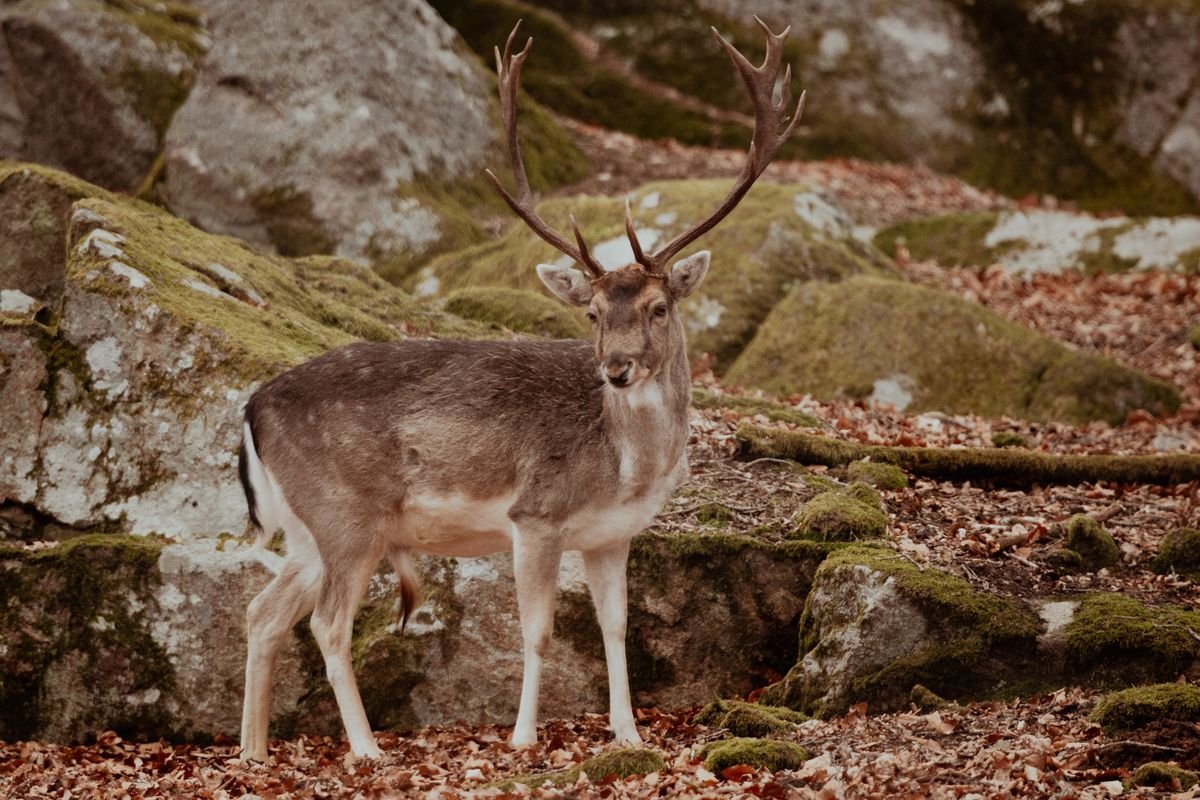
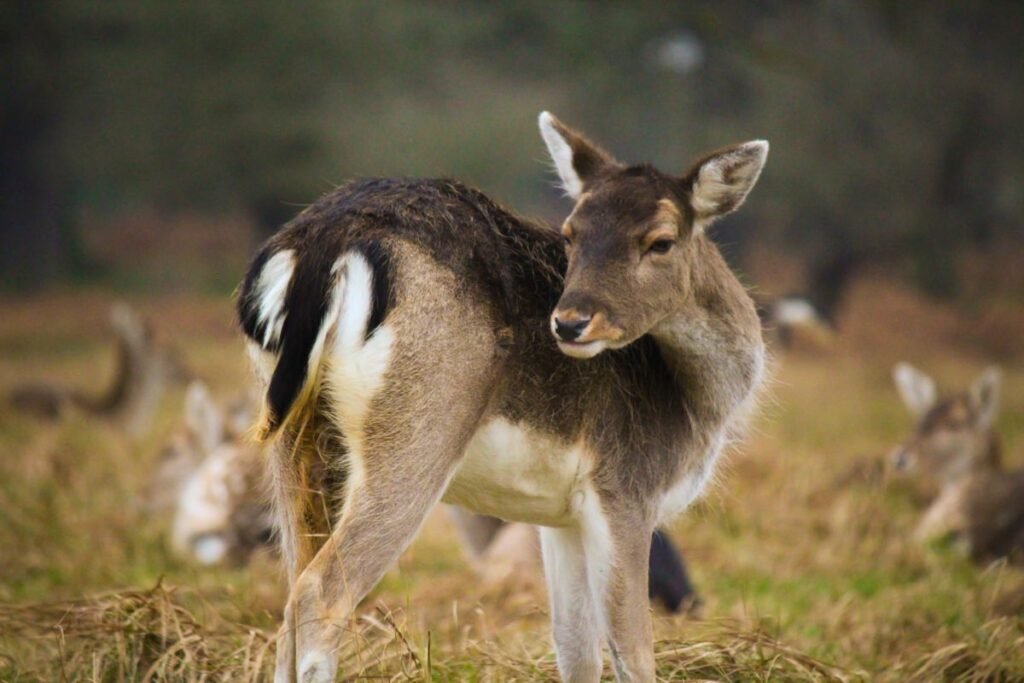
Fallow deer are medium-sized and easy to recognise. Many have a spotted coat, and adult males grow wide, flat, palm-shaped antlers. Fallow deer come in several colour types, from pale to very dark.
They were introduced to many parts of Europe long ago and are now common in parks, estates and mixed woodland. Like red deer, they usually live in herds.
How to Tell Them Apart
- Size: red deer are largest, fallow deer are medium, roe deer are smallest
- Antlers: red deer have branching antlers, fallow bucks have flat palmate antlers, roe bucks have short spiky antlers
- Coat: fallow deer are often spotted, roe deer have a pale rump patch, red deer have a plain reddish coat
- Groups: red and fallow deer form herds, roe deer are more often alone
What Deer Eat
Deer are herbivores. They browse on leaves, buds, shoots, grasses, acorns, berries and bark. Their diet changes with the seasons, and in winter they rely more on woody plants and evergreen leaves.
Deer and Forest Health
Deer play an important role in the forest. They spread seeds, create open patches and are prey for predators where wolves and lynx still live. However, when deer numbers grow too high, they can eat so many young trees that the forest struggles to regenerate. Managing deer populations is therefore an important part of forest care in many countries.
Tips for Watching Deer
- Go out early in the morning or near dusk, when deer are most active
- Move slowly and quietly, and keep the wind in your face
- Use binoculars instead of getting close
- Never approach young deer that seem alone; the mother is usually nearby
- Keep dogs on a lead in areas where deer live
Final Thoughts
Red, roe and fallow deer bring life and wonder to European forests. Learning to recognise them makes every woodland walk more rewarding. Watch from a distance, stay patient and you may be lucky enough to see one of these beautiful animals in the wild.