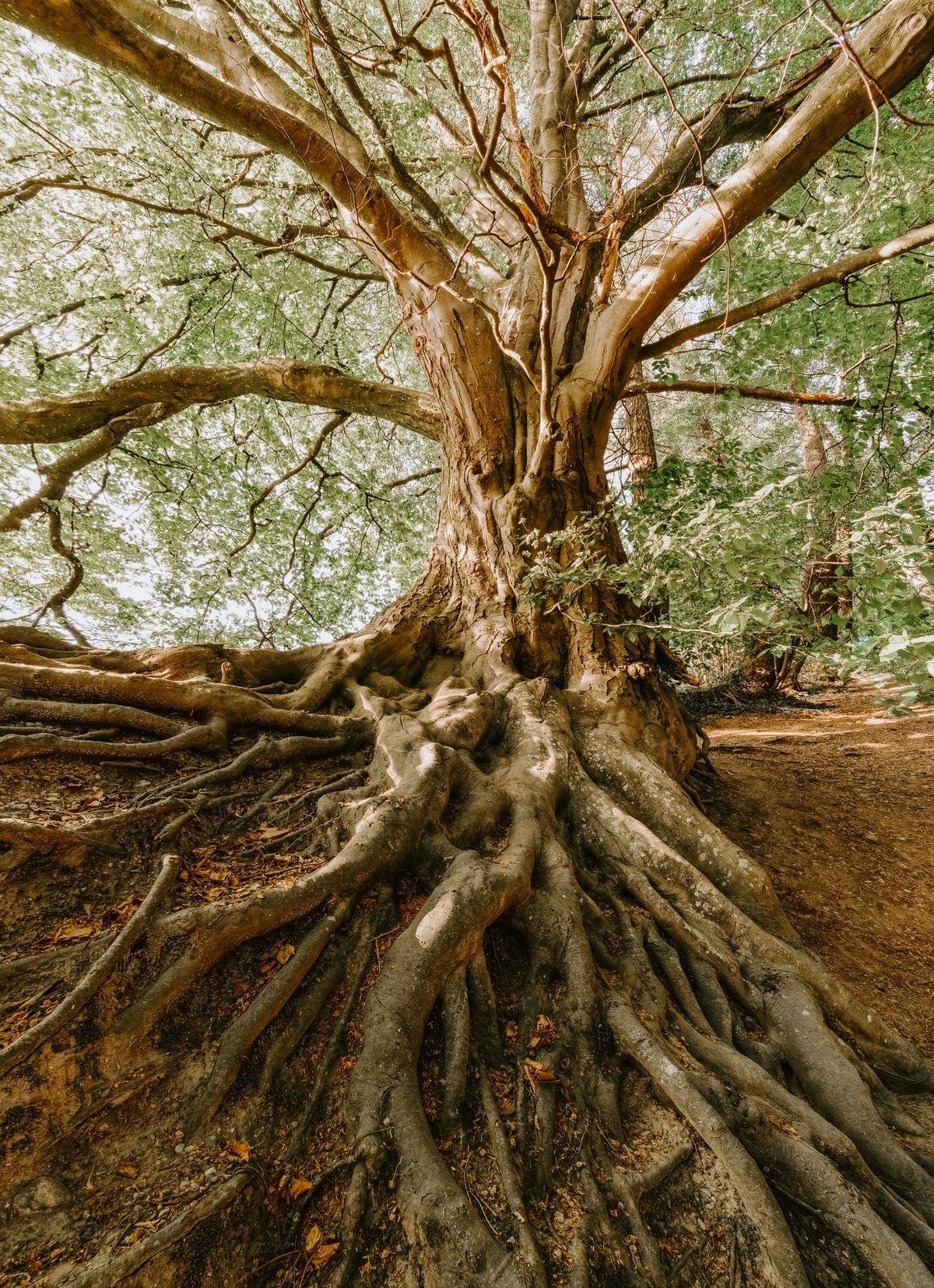
Walk into an old-growth forest and you notice the difference straight away. The trees are wider than your arms can reach, the air is cool and damp, and fallen logs covered in moss lie across the ground. These forests have grown for centuries with little or no disturbance from people, and they are some of the richest places on Earth.
Today only a small share of the world’s forests can still be called old growth. Understanding what makes them special is the first step toward protecting the ones that remain.
What Is an Old-Growth Forest?
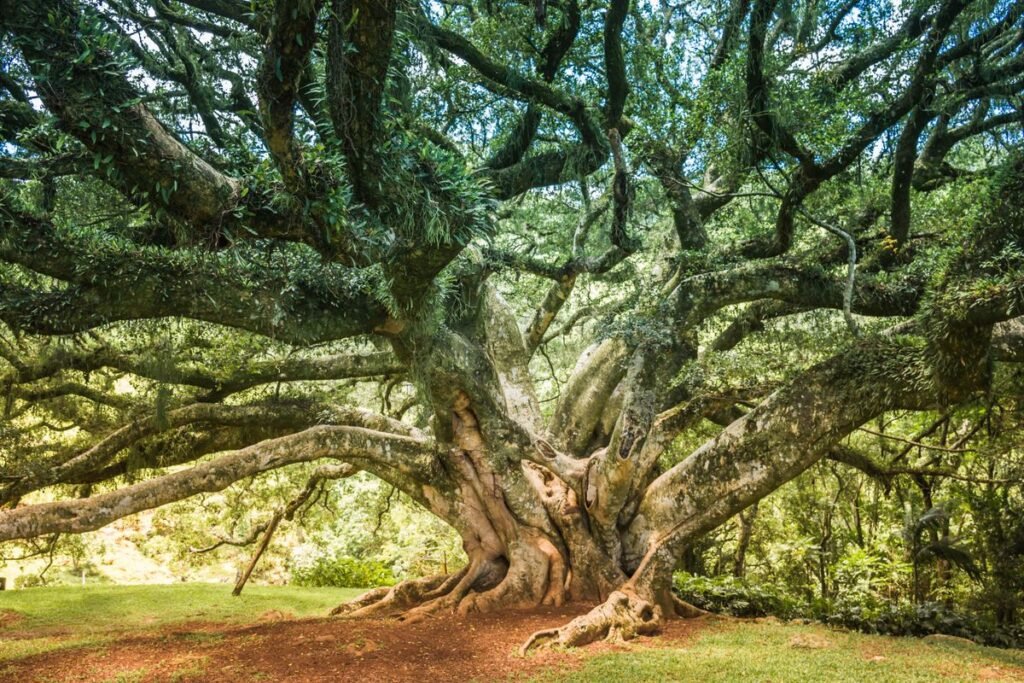
An old-growth forest, sometimes called a primary or ancient forest, is a forest that has developed over a very long time without major logging or clearing. There is no single age that defines it, because a pine forest in a dry region ages very differently from a rainforest. Instead, ecologists look for a set of features that only appear after many generations of trees.
- Large, old living trees, often hundreds of years old
- Standing dead trees, called snags, that provide homes for wildlife
- Fallen logs in every stage of decay on the forest floor
- Several layers of canopy, from tall giants to young saplings
- Gaps where old trees have fallen and let light reach the ground
- Deep, rich soil built up over centuries
A Home for Countless Species
Old-growth forests support a remarkable range of life. Cavities in old trunks shelter owls, bats, woodpeckers and squirrels. Rotting logs feed insects, fungi and the animals that eat them. Lichens and mosses that grow slowly need the stable, shaded conditions that only old forests provide.
Many species depend on these conditions and struggle to survive in younger, managed woodland. When an old forest is cut, it can take centuries for those features to return, and some species may disappear from the area long before then.
Natural Carbon Stores
Big old trees hold a large amount of carbon in their trunks, branches and roots. The soil beneath them, built from centuries of fallen leaves and wood, stores even more. Research has shown that large old trees can keep adding wood every year, so they do not simply stop working as they age.
When an old forest is logged or burned, much of that stored carbon is released back into the air. Protecting existing old growth is therefore one of the simplest ways to keep carbon out of the atmosphere.
Clean Water and Healthy Soil
The thick layer of organic matter on an old forest floor acts like a sponge. It soaks up rain, slows runoff and releases water gradually into streams. This helps reduce flooding, keeps rivers cooler for fish and filters sediment before it reaches drinking water supplies downstream.
Tree roots hold the soil in place on slopes, and the network of fungi underground helps keep that soil healthy and full of nutrients.
Threats Facing Old Growth
Old-growth forests face pressure from many directions. Logging, road building, mining and farming have reduced them sharply in many parts of the world. Climate change brings longer droughts, stronger fires and new pests that older trees may not be ready for. Fragmentation is another problem: when a forest is broken into small patches, the edges dry out and invasive plants move in.
How People Are Protecting Them
There is good news too. Many countries have created parks and reserves to protect their remaining ancient forests. Indigenous communities, who have cared for many of these lands for generations, are increasingly recognised as key partners in conservation. Scientists are mapping old growth so it can be identified and protected before it is lost.
- Supporting protected areas and responsible forest policies
- Choosing wood and paper products from certified sustainable sources
- Visiting old forests respectfully and staying on marked trails
- Backing local groups that monitor and restore forests
Final Thoughts
Old-growth forests cannot be replaced in a human lifetime. They store carbon, clean water and shelter wildlife that has nowhere else to go. By learning to value them and supporting their protection, we help make sure future generations can stand beneath the same giant trees.