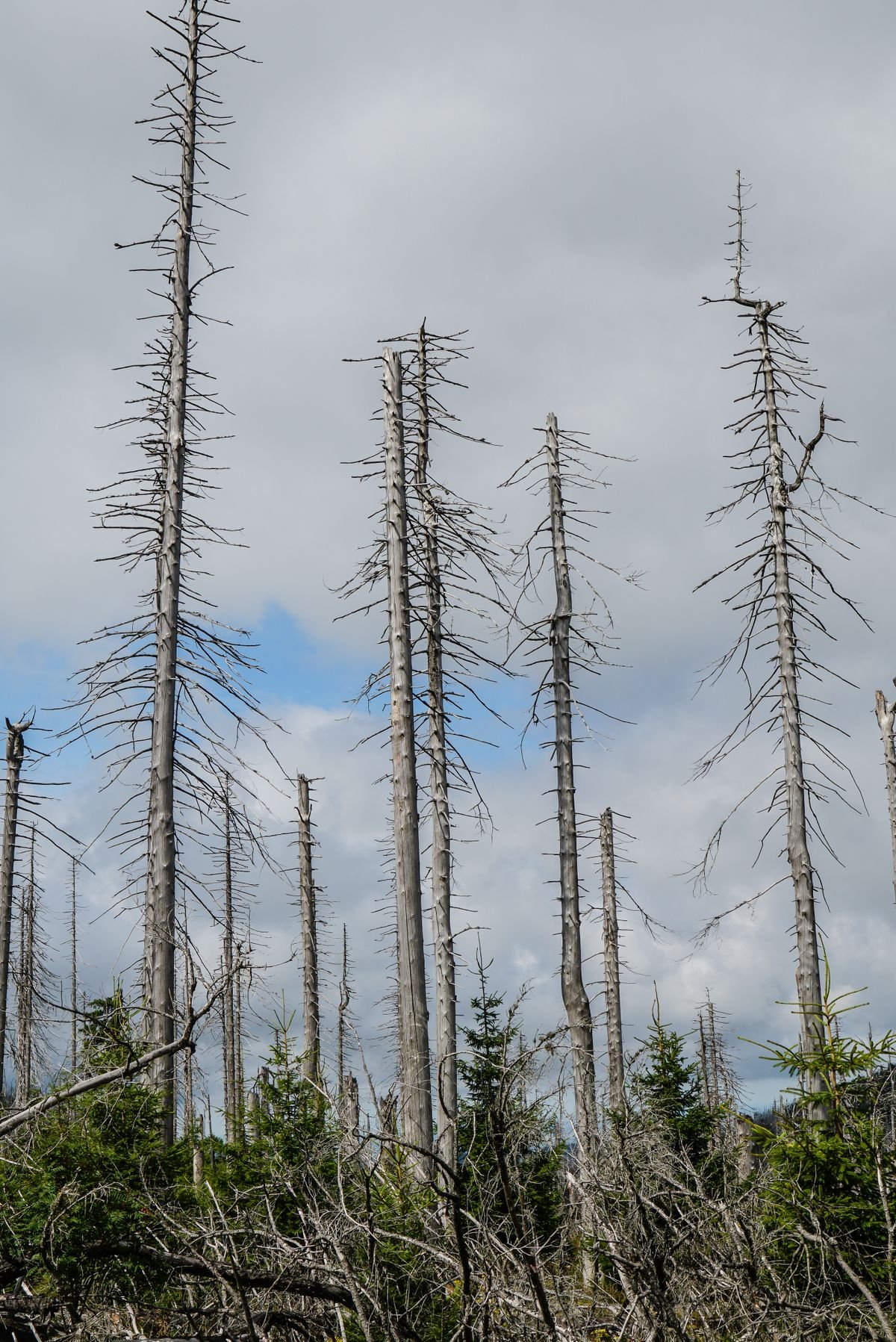
A dead tree might look like the end of the story, but in the forest it is only the beginning of a new chapter. Standing dead trees, called snags, and fallen logs are among the most important habitats in any woodland. Many animals, plants and fungi depend on them.
Here is why ecologists value dead wood, and why a perfectly tidy forest is not always a healthy one.
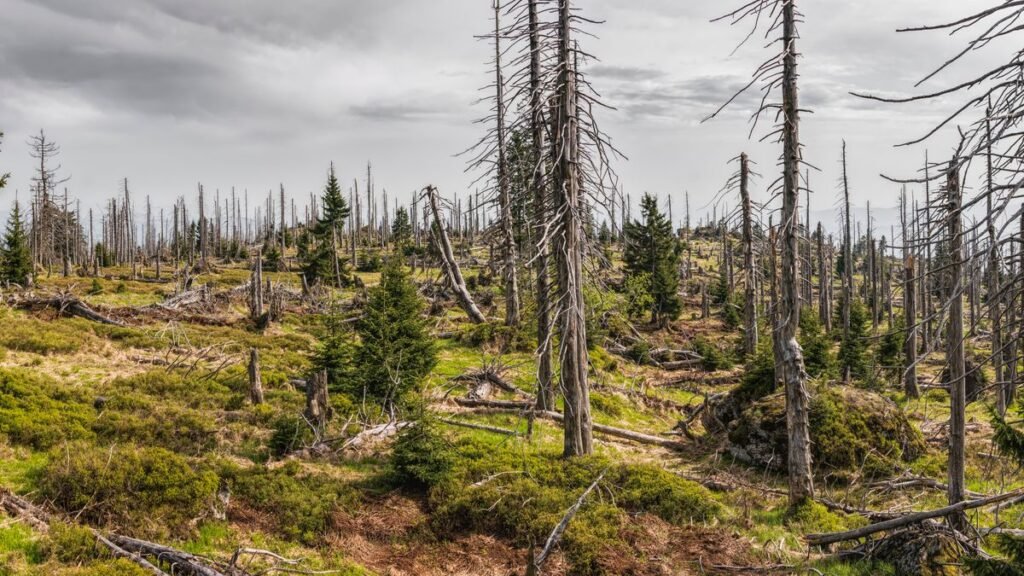
What Is a Snag?
A snag is a tree that has died but is still standing. Trees die for many reasons: old age, disease, insects, lightning, drought or fire. Once a tree dies, it slowly breaks down over many years, and at every stage of decay it offers food and shelter to different species.
A Home for Wildlife
Snags are full of hiding places. Woodpeckers dig nest holes in the soft wood, and once they move on, those holes are used by owls, bats, squirrels and many small birds that cannot dig their own. Loose bark shelters bats and insects, and high branches make perfect lookout posts for birds of prey.
- Woodpeckers excavate nests and search for insects
- Owls and small birds reuse old nest holes
- Bats roost in cracks and under bark
- Beetles and other insects lay eggs in the wood
- Fungi and bacteria begin breaking the wood down
Fallen Logs Feed the Forest
When a snag finally falls, it becomes a log on the forest floor. Logs hold moisture, so they stay damp even in dry weather. They provide shelter for frogs, salamanders, small mammals and countless insects. Mosses, ferns and even young trees can grow on top of them; these are sometimes called nurse logs.
As fungi and insects break the wood down, nutrients return to the soil and feed the next generation of trees.
Fungi: The Great Recyclers
Fungi are the main decomposers of wood. Their thread-like networks spread through the trunk and slowly digest it. Without fungi, dead wood would pile up and nutrients would stay locked away. Many beautiful and unusual mushrooms grow only on dead or dying trees.
Are Dead Trees Ever Dangerous?
Dead trees can sometimes fall without warning, especially in strong wind. Near paths, roads, buildings and campsites, damaged trees may need to be made safe. Foresters often try to keep snags in quieter parts of the forest where they pose little risk to people.
How Forest Managers Use Dead Wood
Many modern forestry guidelines encourage leaving a share of dead trees and logs in managed forests. Some managers even create snags on purpose or leave piles of branches to support wildlife.
What You Can Do at Home
- Leave a log pile in a quiet corner of your garden
- Keep a dead tree standing if it is safe and away from buildings
- Avoid burning or removing all fallen branches
- Put up nest boxes where natural holes are rare
Final Thoughts
Dead trees are not waste; they are a vital part of the forest cycle. From woodpeckers to fungi, a huge community of life depends on them. The next time you see a fallen log or a hollow trunk, remember that it may be one of the busiest homes in the woods.