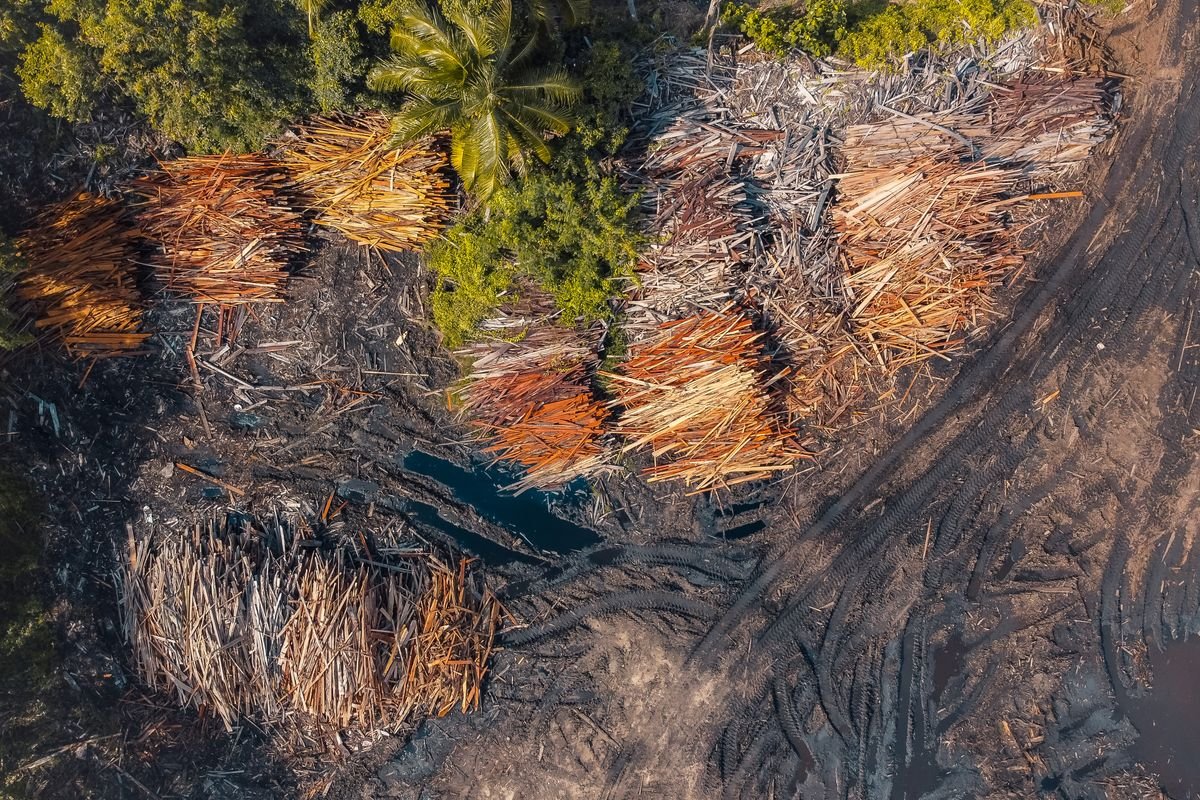
Forests cover a large part of the planet’s land and are home to most land-based plants and animals. Yet every year large areas of forest are cleared. This loss, known as deforestation, affects wildlife, climate and the millions of people who depend on forests for food, water and income.
To stop deforestation, we first need to understand why it happens. The causes vary from region to region, but a few drivers appear again and again.
The Main Causes of Deforestation
Agriculture
Clearing land for farming is the biggest driver of forest loss worldwide. Forests are cut to make room for cattle pasture and for crops such as soy, palm oil and cocoa. Small farmers also clear land to grow food for their families.
Logging
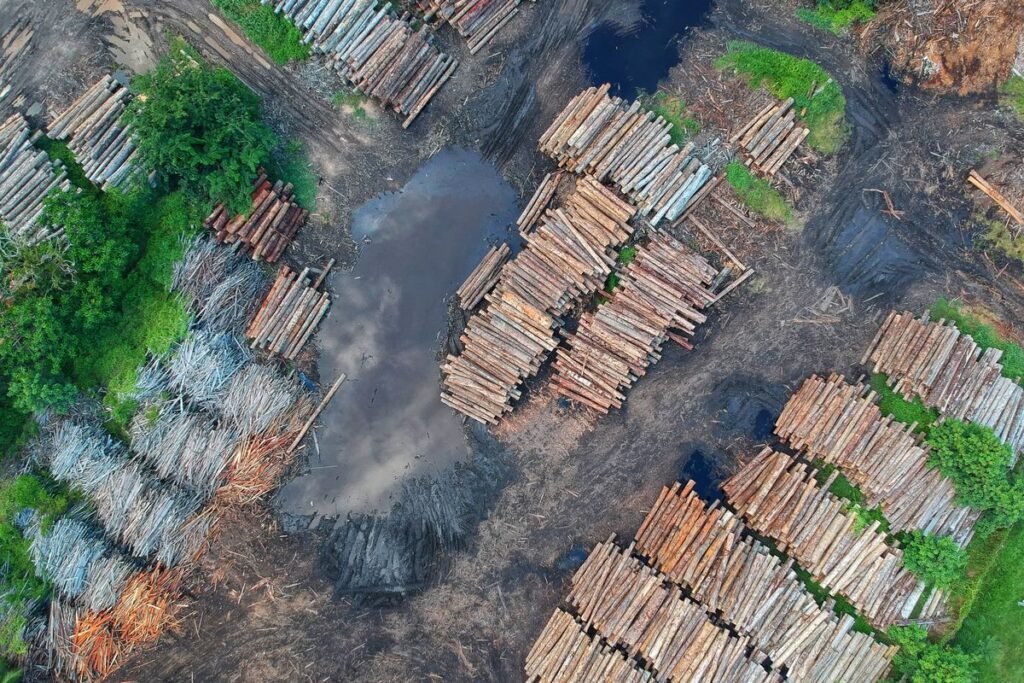
Commercial logging removes valuable trees for timber, furniture and paper. Even selective logging can damage the forest, because roads built to reach the trees open the area to further clearing and settlement.
Mining and Infrastructure
Mines, dams, roads and pipelines all require land. New roads in particular make remote forests easier to reach, which often leads to more clearing over time.
Fire
Some fires are set on purpose to clear land, while others are made worse by drought and heat. Repeated fires can turn rich forest into grassland or scrub.
Urban Growth
As towns and cities expand, nearby forests are replaced by housing, industry and other development.
Why Deforestation Matters
- Climate: trees store carbon, and clearing them releases it into the air
- Wildlife: many species lose their homes and become endangered
- Water: forests regulate rainfall and keep rivers clean
- Soil: without tree roots, soil washes away more easily
- People: many communities rely on forests for food, medicine and jobs
Solutions That Work
There is no single answer, but many approaches have shown real success.
Protecting Forests by Law
National parks, reserves and strong enforcement against illegal logging help keep forests standing. Recognising the land rights of Indigenous peoples and local communities has also been linked to lower deforestation in many regions.
Sustainable Farming
Growing more food on existing farmland, restoring degraded land and using agroforestry, where trees are planted alongside crops, reduces the need to clear new forest.
Responsible Supply Chains
Companies can commit to buying products that are not linked to deforestation. Certification schemes help buyers find wood, paper and other goods from responsibly managed sources.
Restoration and Replanting
Restoring forests on cleared land brings back habitat and stores carbon. Planting the right native species in the right place is key to long-term success.
What You Can Do
- Look for certified wood and paper products
- Reduce waste and recycle paper
- Learn where your food comes from and choose responsibly produced options
- Support organisations that protect and restore forests
- Share what you know with friends and family
Final Thoughts
Deforestation is a global problem, but it is not unstoppable. With smart policies, responsible businesses and informed consumers, we can keep more forests standing for wildlife, for the climate and for people.


